Crafting Spaces that Inspire
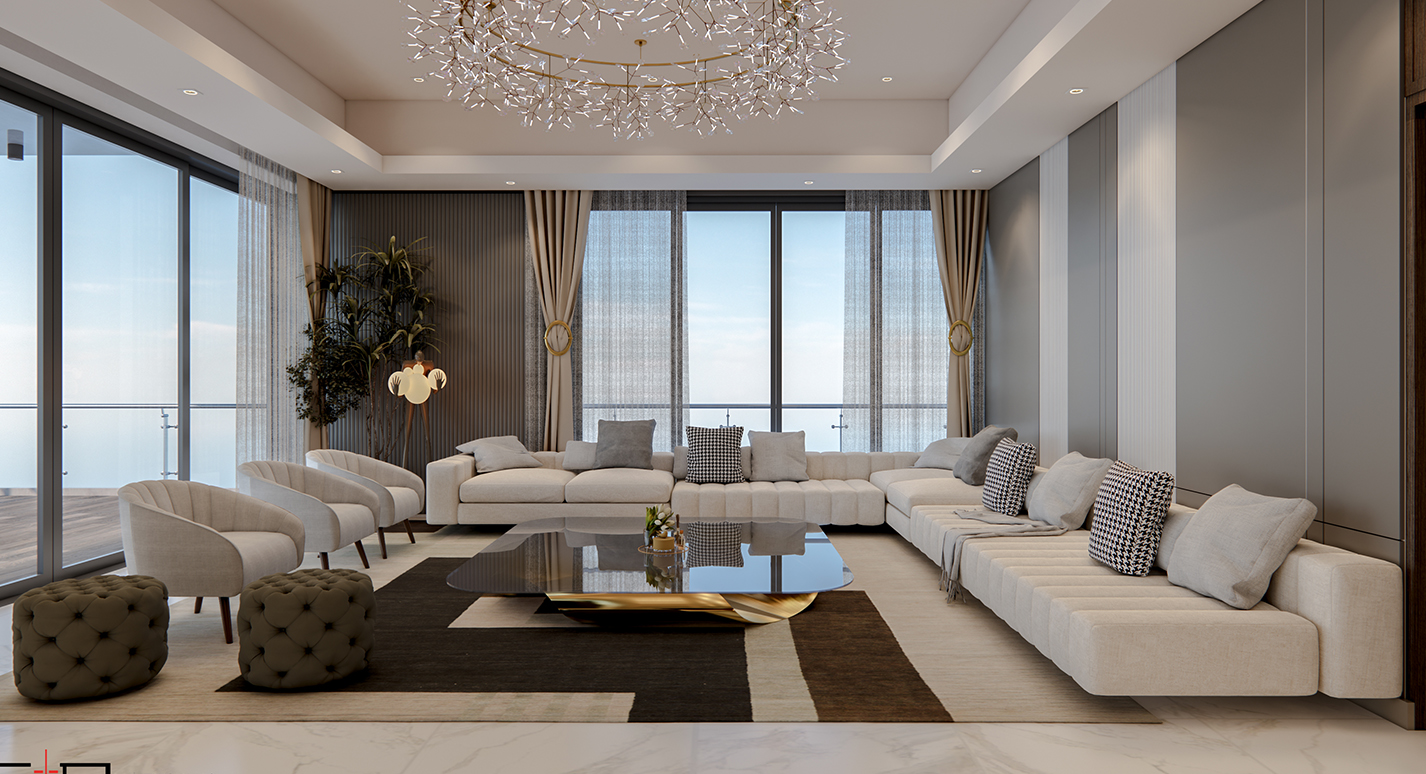
As we move into 2025, the world of interior design is undergoing an exciting transformation. In an era defined by rapid technological advancements, environmental consciousness, and evolving lifestyles, the spaces we inhabit must do more than just meet our basic needs—they must inspire, comfort, and connect with us on a deeper level. The modern interior design trends emerging for 2025 are not just about aesthetics; they’re about creating experiences that speak to the heart and soul.
Sustainable and Regenerative Design
Sustainability has been a buzzword for several years, but by 2025, it will be the cornerstone of interior design. While past efforts have focused on reducing waste and minimizing carbon footprints, the focus is now shifting toward regenerative design—design that doesn’t just sustain but gives back to the environment. This could include using reclaimed or upcycled materials, incorporating low-carbon footprint finishes, and selecting biodegradable or fully recyclable furnishings. Architects and designers will increasingly partner with manufacturers who share these values, creating a ripple effect throughout the supply chain. In addition to environmental benefits, this approach creates unique and meaningful interiors that tell a story, making the space not only functional but also deeply personal.
Biophilic Design: Bringing the Outdoors In
Biophilic design, which fosters a deeper connection between humans and nature, continues to gain traction in 2025. It’s not just about placing a few plants in a room—it’s about integrating nature into the very fabric of a space. This trend includes living walls adorned with lush greenery, indoor gardens that serve as focal points, and the use of natural materials like stone, wood, and clay. Large, expansive windows that let in ample natural light and provide views of outdoor landscapes further bridge the gap between indoors and outdoors. The result is a space that promotes relaxation, reduces stress, and enhances overall well-being. Biophilic design also supports mental health and productivity, making it a preferred choice for both residential and commercial interiors.
Smart Interiors: Technology That Enhances Everyday Life
Technology will continue to shape interior design in 2025, with smart interiors becoming the norm rather than the exception. Homes and workplaces will be equipped with advanced technology to make daily life more convenient, efficient, and sustainable. This includes voice-controlled assistants, automated lighting and climate systems, and smart appliances that learn user preferences. Furniture is also getting smarter, with features like built-in charging stations and modular designs that adapt to changing needs. Beyond convenience, these technologies enhance sustainability by optimizing energy usage and reducing waste. Designers must strike a balance between cutting-edge technology and human-centric design, ensuring that these innovations blend seamlessly into the aesthetic and functional aspects of the space.
Minimalism with a Warm Touch
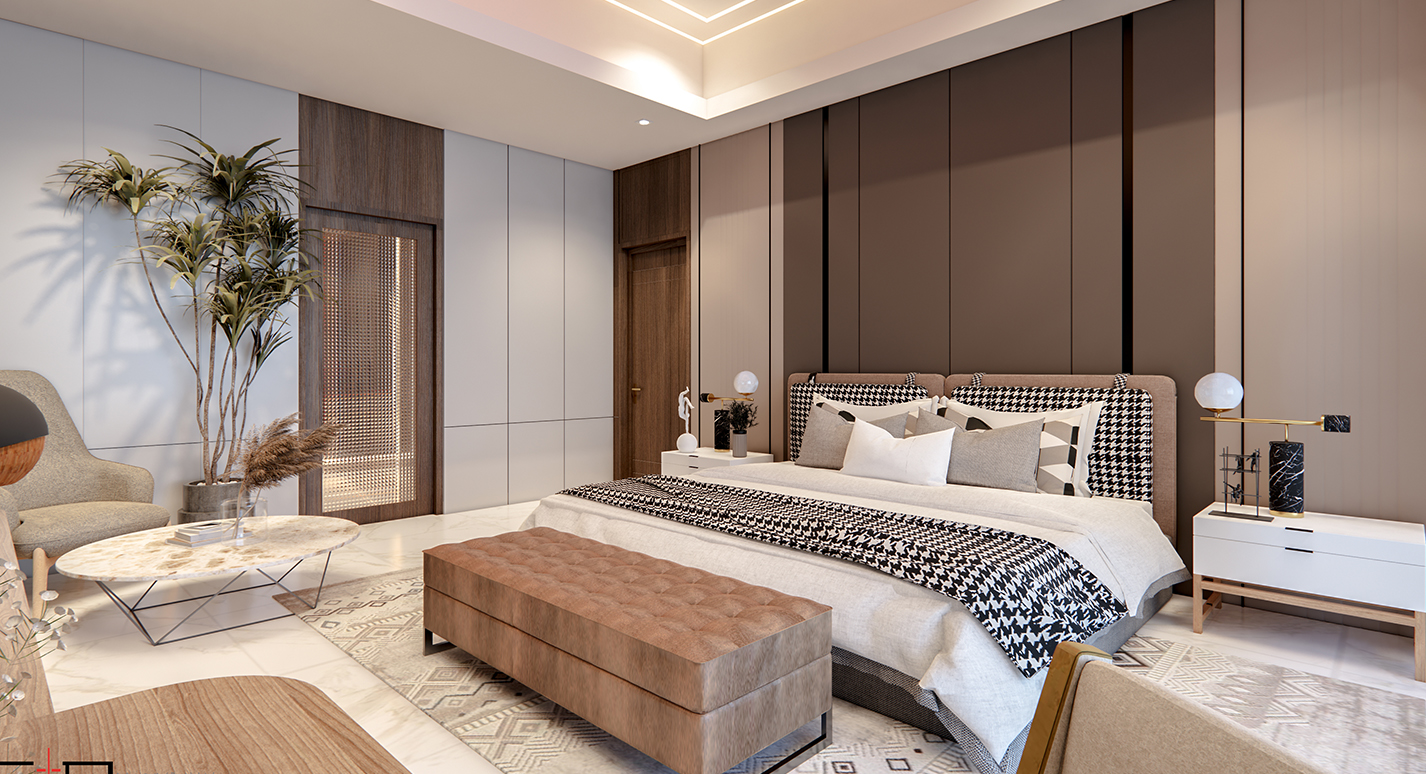
Minimalism has been a dominant trend for years, but in 2025, it’s taking on a warmer, more inviting form. While the emphasis remains on simplicity and functionality, the stark, cold aesthetic of traditional minimalism is giving way to a cozier approach. Neutral color palettes are evolving to include warmer earth tones, such as terracotta, ochre, and muted greens. Textural elements like plush rugs, soft throws, and natural wood finishes are being used to create spaces that feel welcoming and comfortable. This shift reflects a growing desire for interiors that are not only visually clean and uncluttered but also emotionally resonant, offering a sense of refuge and warmth in a fast-paced world.
Maximalism and Personalization: Celebrating Individuality
In contrast to minimalism, maximalism is making a bold comeback in 2025, driven by a desire for self-expression and individuality. Maximalist interiors celebrate the art of layering—combining bold colors, intricate patterns, and diverse textures to create spaces that are vibrant and full of character. This trend is less about following design rules and more about curating a space that reflects the personality and tastes of its occupants. Artisanal pieces, vintage finds, and unique decor items play a key role in this aesthetic. However, successful maximalist designs maintain a sense of balance, ensuring that the space feels curated rather than chaotic. Personalization is at the heart of this trend, making each interior truly one-of-a-kind.
Conclusion: Designing for the Future
The interior design trends for 2025 are a reflection of our evolving values and lifestyles. From sustainable and regenerative practices to the integration of technology, from the embrace of nature to the celebration of individuality, these trends are shaping spaces that are not only beautiful but also meaningful and functional. As designers and homeowners alike embrace these ideas, they are crafting environments that inspire, nurture, and connect us to the world around us. The future of interior design is one of endless possibilities, where creativity and innovation come together to redefine the spaces we call home.
Modern Architecture Trends for 2025: Designing for Tomorrow's World
As we step into 2025, the field of architecture is on the cusp of a profound transformation. The role of an architect is no longer just about creating buildings; it’s about shaping spaces that elevate the human experience while embracing the evolving needs of our planet and society. Today, we are at a critical juncture where architecture must address both the desires for beauty and functionality and the pressing concerns for sustainability, technology, and well-being. In the next few years, we will see architecture push the boundaries of what’s possible, with innovative designs and new technologies transforming the way we live, work, and interact with our surroundings. For architects, the future holds an exciting opportunity to design spaces that are not only timeless but also deeply connected to the environment and the people they serve. As a passionate architect, I believe that the buildings of 2025 must be more than just structures—they must be living, breathing entities that resonate with those who inhabit them. Below, I’ve compiled the top modern architecture trends that will shape the industry in 2025 and beyond. These trends reflect a deep commitment to creating spaces that foster connection, sustainability, and innovation.
Sustainable and Regenerative Design
Sustainability is no longer a buzzword—it is the foundation of modern architecture. In 2025, architects will move beyond simple green building practices to incorporate regenerative design principles. This means designing buildings that not only minimize environmental impact but also actively restore the natural world.
From the use of recycled materials to energy-positive buildings that generate more energy than they consume, the focus will shift to creating structures that have a net positive effect on the environment. In practical terms, this could mean integrating solar panels, wind turbines, and green roofs into designs, as well as utilizing innovative, sustainable materials such as hempcrete, bamboo, and recycled steel.
Regenerative design also extends to the way buildings interact with their environments. Architects will design spaces that enhance biodiversity, protect ecosystems, and support local communities. The goal is to create buildings that work with nature, not against it—designing for the future, not just for the present.
Why this matters: As architects, we have the responsibility to leave a positive impact on the planet. By embracing regenerative design, we can help heal the world while creating beautiful, functional spaces that inspire and uplift.
Biophilic Design: Connecting People with Nature
In 2025, biophilic design will continue to be one of the most influential trends in modern architecture. This design philosophy is all about reconnecting people with nature through the built environment. It’s based on the understanding that humans have an innate need to connect with the natural world, and our well-being is deeply influenced by the spaces we inhabit.
Buildings will incorporate natural elements such as indoor gardens, living walls, and expansive windows that bring the outdoors inside. Architects will use natural materials—wood, stone, and clay—to create tactile and visually engaging environments that evoke a sense of calm and peace. Light will become a key design element, with more homes and offices featuring skylights, light wells, and large glass panels that allow natural light to flood the interior.
In addition to visual connections to nature, biophilic design will also embrace sound, texture, and smell. From the sound of running water to the scent of plants, biophilic design will engage all the senses, creating spaces that promote mental health, reduce stress, and foster a sense of tranquility.
Why this matters: As an architect, my goal is to create spaces that nurture the people who live or work within them. By bringing nature indoors, we can design environments that support physical and mental well-being, creating a harmonious balance between the natural and built worlds.
Smart Architecture: The Integration of Technology
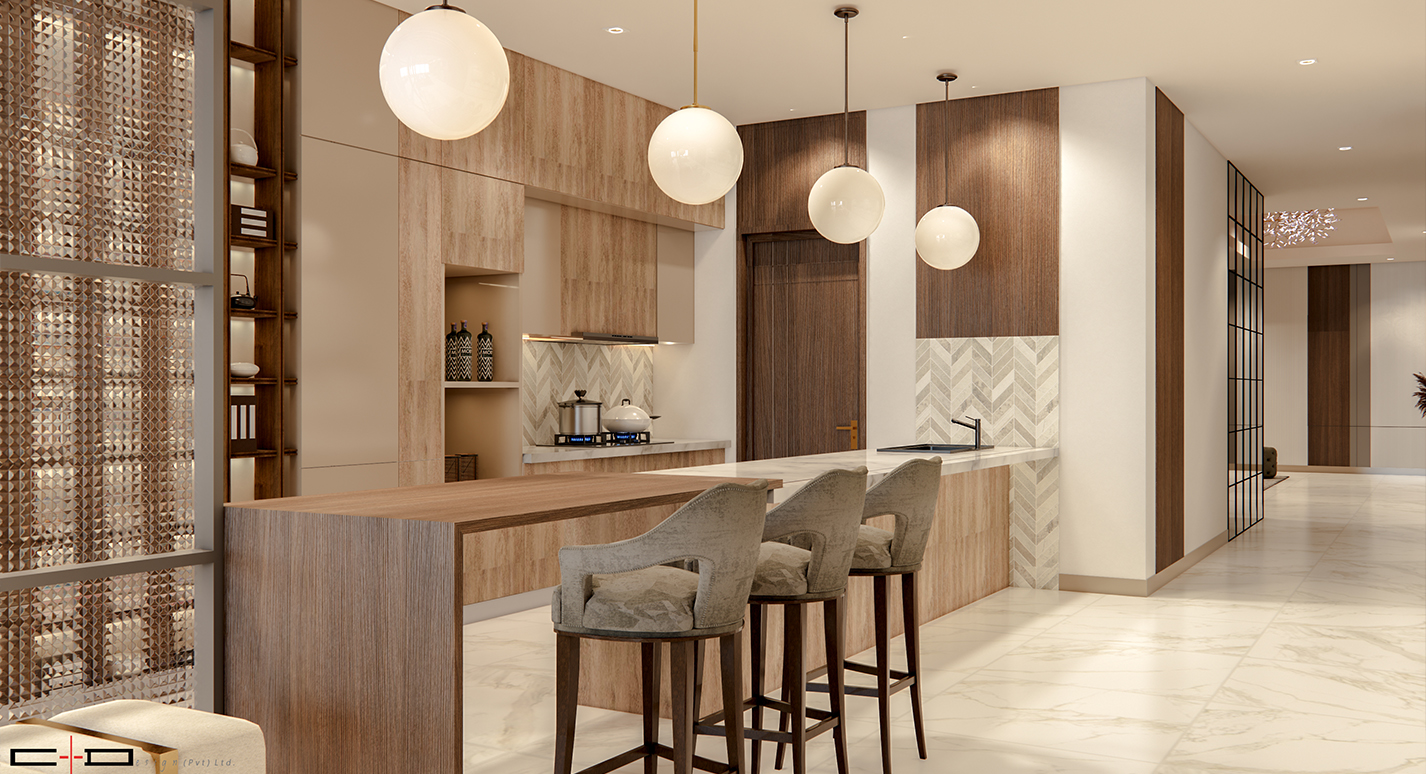
The rise of smart homes and buildings will continue to influence architectural design in 2025. As technology advances, architects are increasingly tasked with integrating smart systems into buildings that improve comfort, efficiency, and convenience.
Smart homes will be equipped with intelligent systems that adjust lighting, temperature, and security automatically. Homeowners will be able to control their environment with the touch of a button or through voice commands. In commercial spaces, smart buildings will optimize energy use and streamline operations, reducing costs while improving performance.
However, the future of smart architecture goes beyond just convenience. In 2025, buildings will be more intuitive, adapting to the needs of the occupants. Sensors will monitor air quality, temperature, and humidity, adjusting the environment in real-time for maximum comfort and energy efficiency. Smart technology will also enable predictive maintenance, reducing downtime and increasing the longevity of buildings.
Why this matters: As architects, we have the unique ability to shape how people interact with their surroundings. By integrating cutting-edge technologies, we can create spaces that are not only more efficient but also more responsive to the needs of those who live or work in them.
Adaptive Reuse: Reviving the Past for the Future
Adaptive reuse—the process of repurposing old buildings for new uses—is a trend that will continue to grow in importance in 2025. As cities become more populated and land becomes scarce, architects are looking for creative ways to transform existing structures rather than demolishing them.
Incorporating the history and character of old buildings into new designs is not just a sustainable choice—it’s also a way to preserve cultural heritage and create spaces with unique, timeless appeal. In 2025, we will see more adaptive reuse projects that blend modern architecture with historic buildings, creating spaces that honor the past while meeting the needs of the future.
For example, repurposing an industrial warehouse into a loft apartment or converting an old factory into a coworking space not only gives the building a new life but also revitalizes neighborhoods, promoting economic growth and community development.
Why this matters: Adaptive reuse is a way to honor the past while shaping the future. As architects, we can breathe new life into old structures, creating spaces that are both sustainable and culturally significant.
Minimalist and Modular Design
In an era of increasing complexity, the simplicity of minimalist and modular design is gaining traction. In 2025, architecture will move towards clean lines, open spaces, and functional designs that prioritize form and function over ornamentation.
Modular design, where spaces are created using pre-fabricated elements that can be assembled on-site, will allow architects to create customizable, cost-effective homes and offices that are adaptable to the changing needs of occupants. These modular designs can be scaled up or down, making them an ideal solution for everything from tiny homes to large-scale residential developments.
Minimalist architecture will also focus on simplicity and clarity, with an emphasis on open floor plans, unobtrusive storage solutions, and the thoughtful use of materials. This approach not only creates visually appealing spaces but also promotes a sense of calm and order in our increasingly chaotic world.
Why this matters: As an architect, I believe in the power of simplicity. By embracing minimalist and modular design, we can create functional, flexible spaces that support the lifestyle of the future while minimizing waste and maximizing efficiency.
Conclusion: Designing for a Better Future
As we look ahead to 2025, the future of architecture is filled with exciting possibilities. The trends we see emerging today—sustainability, biophilic design, smart technology, adaptive reuse, and minimalist approaches—are not just passing fads. They are a reflection of our evolving relationship with the world around us, our growing understanding of the importance of sustainability, and our desire to create spaces that enhance our well-being.
As architects, we have the privilege of shaping the future. We have the power to design spaces that inspire, nurture, and connect people with the environment. The buildings we create today will have a lasting impact on the world tomorrow, and it’s our responsibility to ensure that we design with purpose, intention, and a commitment to a better future.
In 2025, architecture will be more than just structures—it will be a force for positive change. Let’s embrace these trends, push the boundaries of creativity, and continue to design with passion and purpose. Together, we can build a world that is not only functional but truly beautiful, for ourselves and for future generations.