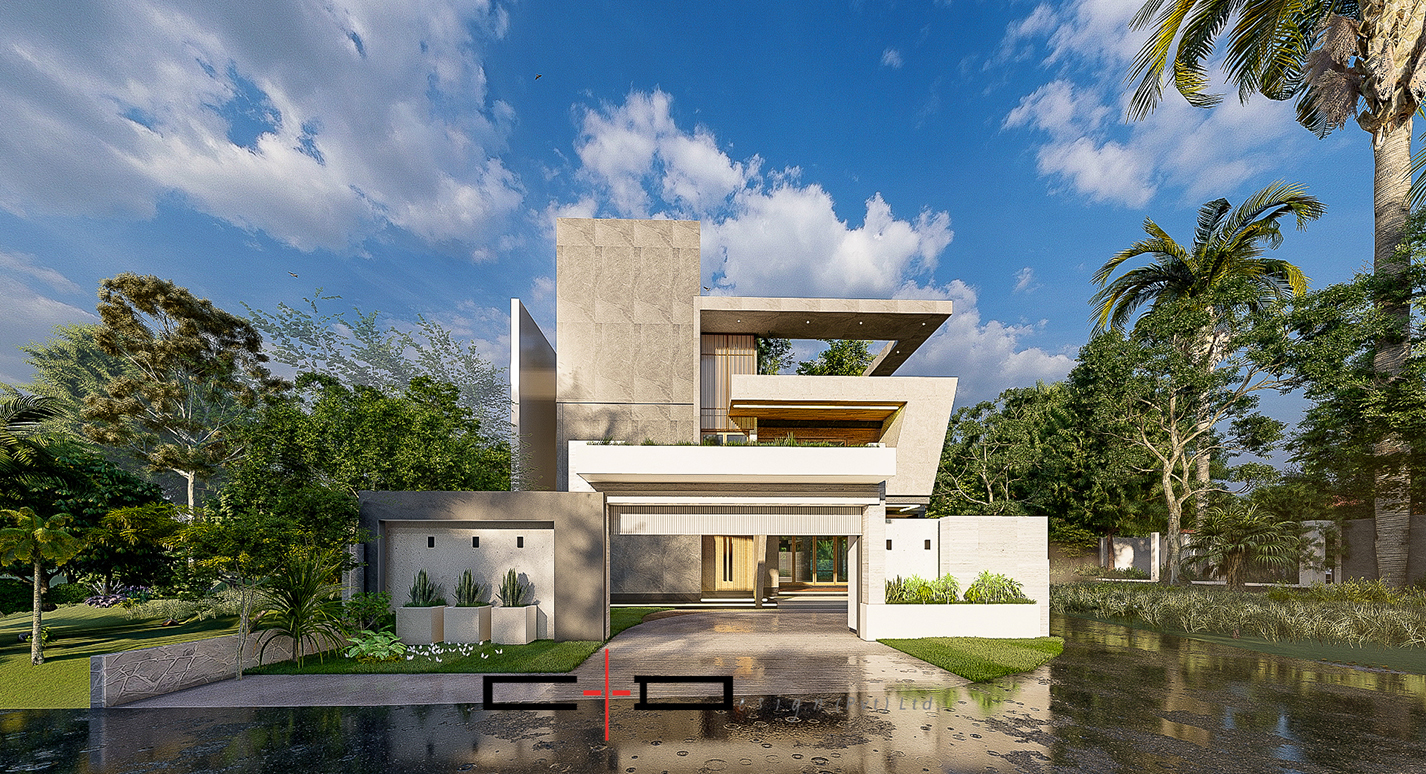
As we stand on the threshold of 2025, the world of residential architecture is undergoing a significant transformation. The way we live, work, and interact with our homes has evolved dramatically in recent years, and the next phase promises to bring even more innovation, sustainability, and personalization.
As architects, our responsibility extends beyond designing structures; we are tasked with shaping spaces that enhance our quality of life, reflect our values, and respond to the ever-changing needs of society. Residential architecture is no longer just about creating beautiful homes—it's about crafting living environments that promote well-being, sustainability, and connectivity, while anticipating the challenges of tomorrow.
In this article, we’ll explore the key residential architecture trends for 2025 and beyond, trends that will shape the way we approach home design and redefine what it means to live in a modern home. These trends are not just about aesthetics—they’re about creating homes that are functional, adaptable, and in harmony with the world around us. Let’s dive in.
Sustainability and Regenerative Design
The importance of sustainability in residential architecture has never been more urgent. As climate change continues to impact the planet, homeowners and architects alike are looking for ways to reduce carbon footprints and design homes that work in harmony with the environment. By 2025, sustainable design will be an integral part of every home, moving beyond just energy-efficient solutions to incorporate regenerative practices that actively contribute to the environment.
Buildings will be designed to have a net positive impact, generating more energy than they consume through the use of solar panels, wind turbines, and other renewable energy sources. Architects will increasingly turn to sustainable materials such as recycled steel, bamboo, and hempcrete, as well as building methods that minimize waste and support the longevity of the structure.
But it doesn’t stop there. Regenerative design will focus on creating homes that actually improve the ecosystems they are part of—whether that’s through enhancing local biodiversity, using rainwater harvesting systems, or integrating green roofs that provide habitat for wildlife. Homes will become agents of positive change, working not just for the homeowner, but for the planet as a whole.
Smart Homes: The Rise of Technology
The integration of technology into residential architecture is not a new concept, but by 2025, we will see it reach new heights. Smart homes will become more intuitive, responsive, and seamlessly integrated into daily life. From smart thermostats and lighting systems to voice-controlled appliances, the future home will be designed to respond to its inhabitants’ needs in real time.
But smart technology in homes won’t just be about convenience—it will also enhance the quality of life. Homes will feature systems that monitor air quality, adjust temperature and humidity for optimal comfort, and even detect potential issues such as leaks or electrical problems before they become major concerns.
Security and privacy will also be enhanced with smart systems. Surveillance cameras, motion sensors, and doorbell cameras will be more advanced, giving homeowners peace of mind while allowing them to control their home’s security from anywhere in the world.
Flexible and Multi-Functional Spaces
One of the most significant shifts in residential design over the past few years has been the increasing need for flexibility. The COVID-19 pandemic forced many of us to rethink the way we use our homes, blurring the lines between living, working, and leisure spaces. By 2025, this trend will only accelerate, with architects designing homes that adapt to the evolving needs of their occupants.
In 2025, flexible spaces will be a key feature in residential architecture. This means designing homes with rooms that can serve multiple purposes. A home office that doubles as a guest bedroom, or a living room that transforms into a home theater, are just a few examples of how we’ll see flexibility integrated into design. Sliding walls, modular furniture, and movable partitions will allow homeowners to reconfigure their spaces as needed.
Additionally, homes will be designed with multi-generational living in mind, providing spaces that can easily accommodate parents, children, and even grandparents under one roof. Separate entrances, private suites, and shared community areas will make it easier for families to live together while maintaining a sense of privacy and independence.
Biophilic Design: Bringing Nature Into the Home
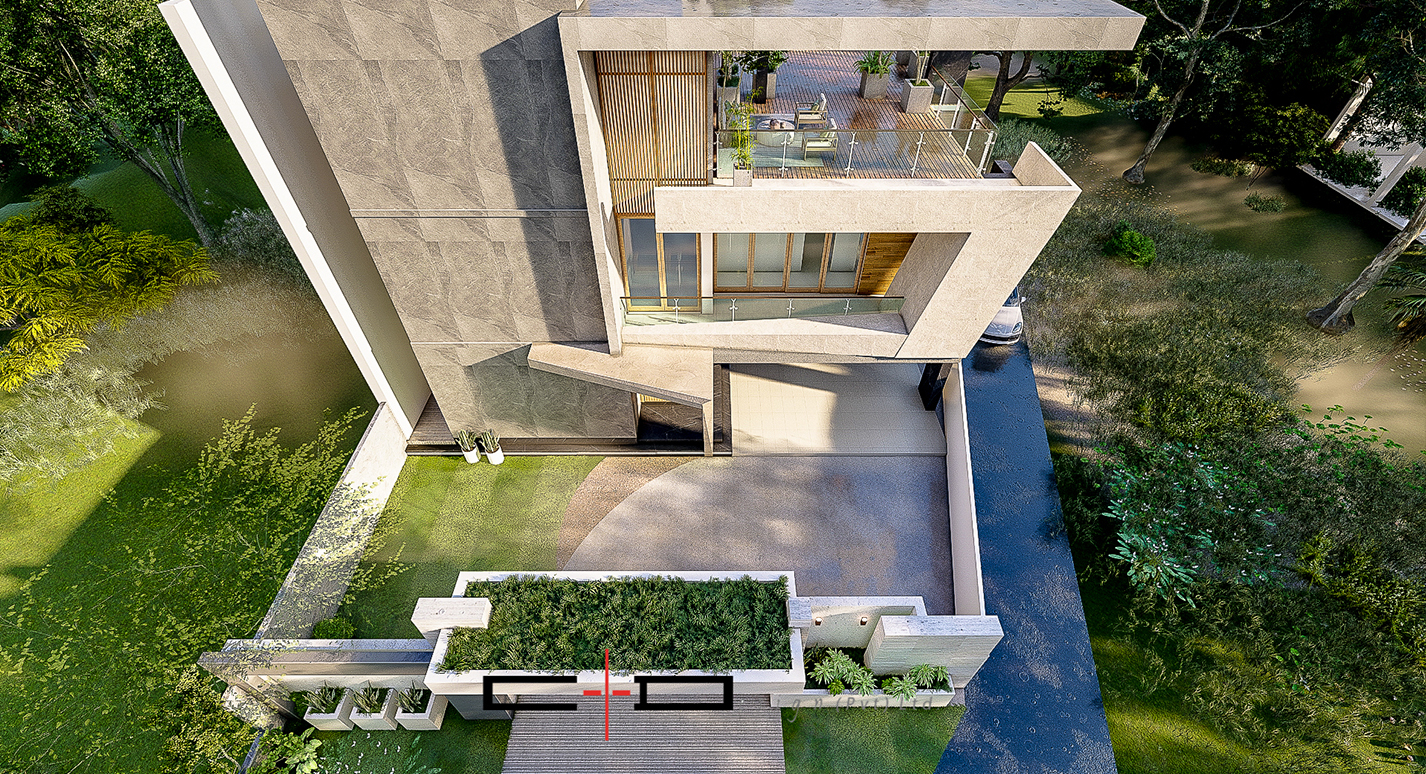
As we become more aware of the positive effects of nature on our mental and physical well-being, biophilic design will continue to gain prominence in residential architecture. Biophilic design integrates natural elements—such as plants, water features, and natural materials—into the built environment to foster a deeper connection between occupants and the natural world.
In 2025, expect to see homes designed with large windows that bring in natural light and offer expansive views of the outdoors. Green walls, indoor gardens, and water features will be incorporated into interior spaces, creating a sense of tranquility and well-being. Natural materials like wood, stone, and clay will be used not just for aesthetic purposes, but to help create an atmosphere that feels grounded and connected to nature.
Beyond aesthetics, biophilic design will have tangible health benefits, reducing stress and enhancing productivity. The natural elements incorporated into the home will help to purify the air, improve indoor air quality, and promote a more relaxed and healthier environment for homeowners.
Minimalist Design and Clean Aesthetics
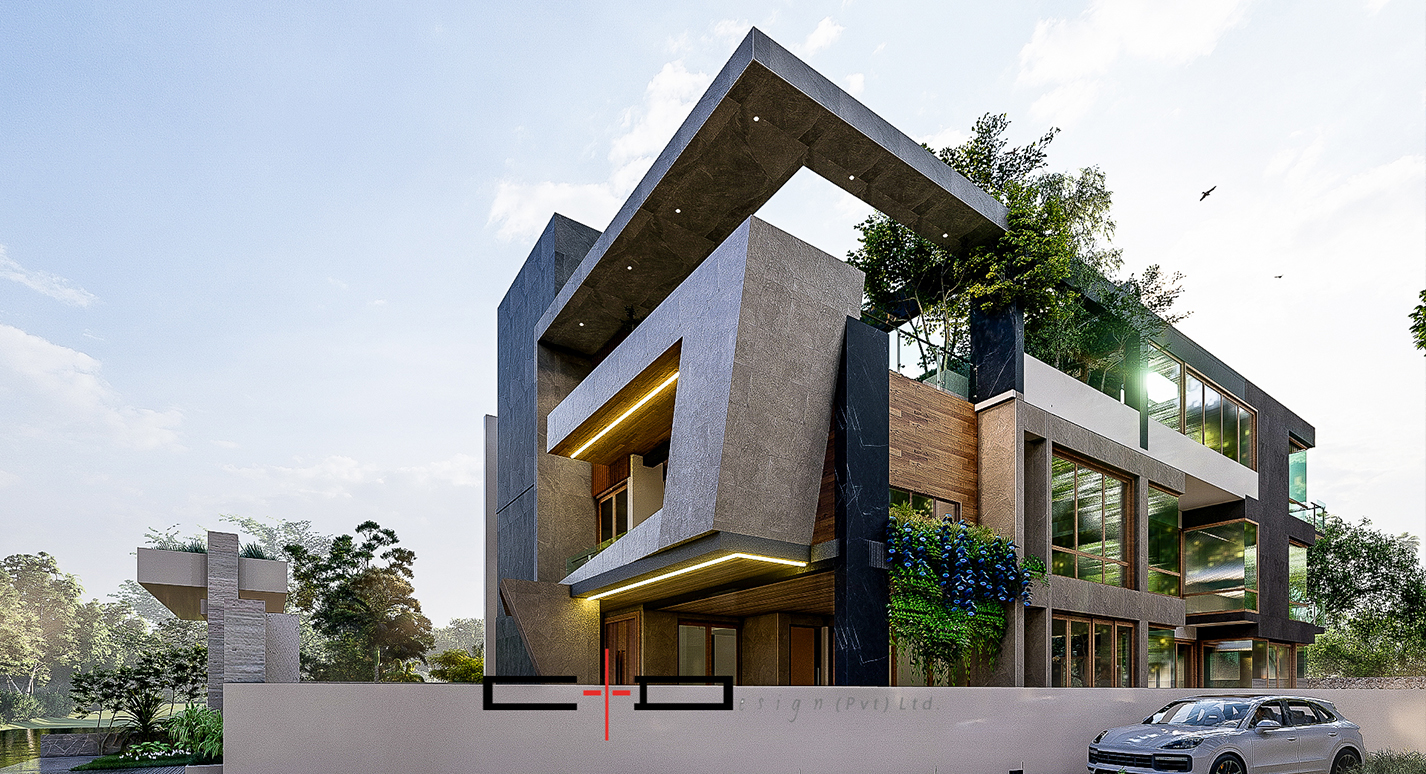
While modern architecture has often embraced bold, statement-making designs, the future of residential architecture will see a return to simplicity and minimalism. By 2025, homes will be designed with clean lines, uncluttered spaces, and a focus on functionality rather than ornamentation.
Minimalist design is about creating spaces that are timeless and calming, where every element has a purpose. In these homes, less is more, and every detail is thoughtfully considered. Open floor plans, neutral color palettes, and a focus on natural materials will help create spaces that feel spacious, serene, and balanced.
The minimalist trend also extends to furniture and decor, with many homeowners opting for high-quality, multi-functional pieces that are built to last. This approach to design is not just about aesthetics—it’s also about creating spaces that reduce distractions, promote focus, and encourage a sense of calm in a busy world.